
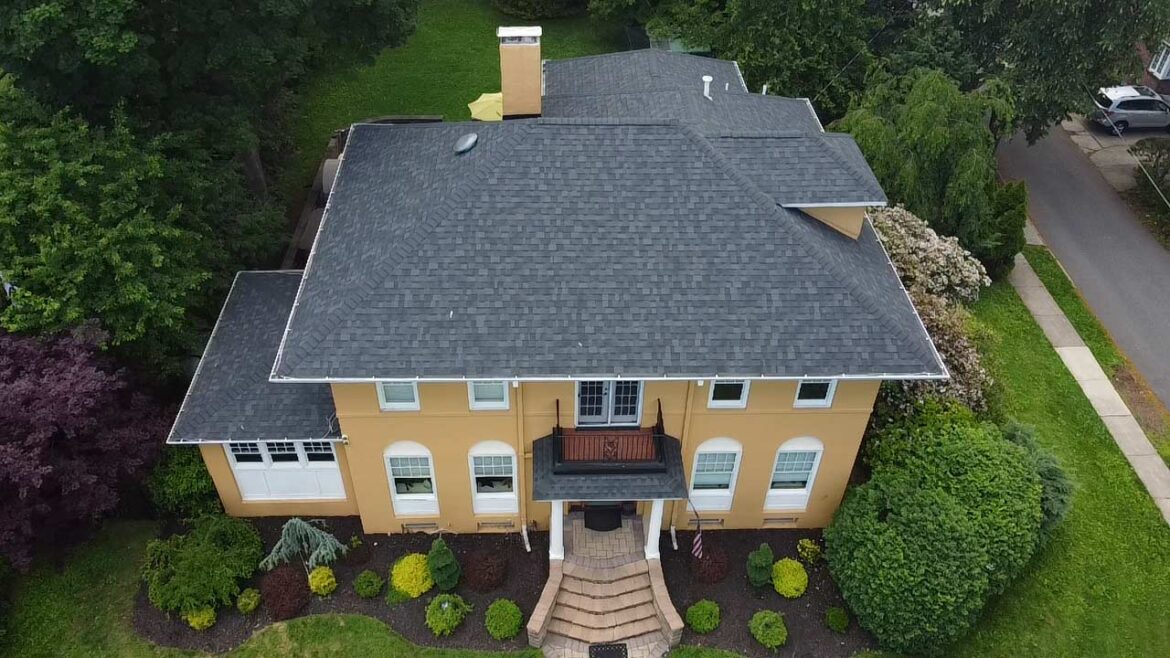
A roof installation in Montclair isn’t just another exterior project. Around Essex County, we’re dealing with century-old homes, sharp roof pitches, tight lot lines, changing storm patterns, and building details that can turn a “simple replacement” into a highly customized job. That’s exactly why property owners need more than a quote and a start date.
Learn more: Gikas Roofing New Jersey
At Gikas Roofing, we’ve seen how local conditions shape every phase of roof installation, from the first inspection to the final cleanup. A slate-era colonial in Montclair, a multifamily in Bloomfield, and a low-slope commercial property in Newark won’t need the same system, schedule, or staging plan. And they shouldn’t get one.
In this guide, we’ll walk through what smart roof installation looks like in : how to inspect properly, choose materials that make sense for New Jersey weather, manage budgets with staged work, and evaluate whether the finished roof is actually built to last.
Why Roof Installation In Montclair Requires A Local, Property-Specific Plan
Montclair roof installation projects have a way of exposing assumptions. A contractor may price the job as if the roof is straightforward, then discover multiple layers, deteriorated decking, awkward valleys, hidden chimney flashing failures, or ventilation that never worked properly to begin with. In Essex County, that’s not rare. It’s normal.
That’s why we approach roof installation as a property-specific planning exercise, not a one-size-fits-all product swap. Local housing stock matters. Montclair and nearby towns have everything from historic Victorians and Tudors to mid-century ranches and mixed-use buildings. Each type brings its own structural quirks, drainage patterns, and access issues.
Weather also changes the equation. North Jersey roofs need to handle freeze-thaw cycles, wind-driven rain, humid summers, occasional snow load, and heavy downpours that test flashing and drainage fast. A roof system that looks good on paper but ignores these conditions can age badly.
A local plan should account for:
- Roof geometry and pitch
- Existing deck condition
- Attic airflow or commercial ventilation setup
- Chimneys, skylights, dormers, and wall intersections
- Gutter capacity and drainage paths
- Neighbor proximity, access, and debris control
- Whether the project should be completed in one phase or staged
When we build the plan around the actual property, not a generic template, the installation tends to go smoother, and the roof performs better years later.
How Older Homes, Steep Pitches, And Complex Rooflines Change The Scope
Older homes are beautiful. They’re also full of surprises.
Many Montclair homes were built long before modern ventilation standards, synthetic underlayments, or current flashing methods. Some have plank decking instead of plywood. Some have framing that’s still solid but uneven after decades of settling. Others have decorative roof features that make layout, waterproofing, and safety setup more involved.
Read more: Palisades Park Roofing Roofer
Steep pitches increase labor complexity and safety requirements. Crews often need additional harnessing, staging, or protection measures, which affects both time and cost. Complex rooflines add valleys, hips, transitions, and intersections, every one of them a potential leak point if rushed.
And then there’s flashing. On older properties, chimney flashing, step flashing, and counterflashing are often where water gets in first. If those details aren’t rebuilt correctly during installation, even premium shingles won’t save the system.
In practical terms, more complexity usually means more planning, more detail work, and less room for guesswork. That’s why a trustworthy Essex County roofing contractor should talk openly about scope before the tear-off begins, not halfway through the job.
What A Thorough Pre-Installation Roof Inspection Should Cover
A proper roof installation starts long before materials arrive. The inspection phase is where we confirm what we’re actually building on, what risks exist, and what needs to be corrected so the new roof isn’t laid over old problems.
This is where thoroughness matters. A quick look from the ground or a rough attic glance isn’t enough, especially on older Essex County properties. We want to identify visible wear, yes, but also hidden issues that affect longevity, code compliance, and installation sequencing.
A strong pre-installation inspection should review:
- Shingle, membrane, or surface wear patterns
- Soft spots or signs of deck deterioration
- Active and past leak locations
- Chimney, vent, and skylight condition
- Gutter alignment and drainage issues
- Fascia, soffit, and trim condition
- Signs of trapped moisture, mold, or poor attic airflow
- Existing installation layers and prior patchwork
For commercial or low-slope roofs, we also need to assess ponding areas, parapet transitions, seam conditions, and edge metal performance.
This inspection isn’t just about finding damage. It’s also about defining the right installation scope so you can budget intelligently. If you skip this step, the project may look cheaper at first, then become more expensive when underlying conditions are uncovered midstream.
Structural Readiness, Decking Condition, And Ventilation Red Flags
Three of the biggest issues we look for before roof installation are structural readiness, decking integrity, and ventilation performance.
Read more: Montvale Roofing Roofer
Structural readiness means the roof framing can properly support the new system and any related loads. In most homes, the issue isn’t dramatic collapse risk, it’s subtler signs of sagging ridges, uneven planes, compromised sheathing support, or framing movement around additions and dormers. Those conditions can affect both appearance and water shedding.
Decking condition is critical because the roof covering is only as reliable as the surface beneath it. Rotten boards, delamination, water-stained sheathing, and improperly spaced decking can all undermine fastening and long-term durability. On older homes with plank decking, upgrades or repairs may be needed before installation proceeds.
Ventilation red flags are often overlooked, yet they shorten roof life all the time. If hot, humid air gets trapped in the attic, shingles can age faster, ice dam risks can increase, and moisture can linger where it shouldn’t. We typically look at intake and exhaust balance, blocked soffits, undersized vents, and signs of condensation.
If these issues are found early, they can be addressed in the project plan. That’s a lot better than discovering them on tear-off day with the weather forecast turning ugly.
Choosing The Right Roofing System For New Jersey Weather And Your Building Type
The “best” roofing system is rarely universal. It depends on your building, your budget, the roof’s slope, how long you plan to keep the property, and how exposed the structure is to New Jersey weather.
For many Essex County homes, architectural asphalt shingles remain the most practical choice because they balance cost, appearance, repairability, and reliable performance. But they’re not automatically right for every roof section. Mixed-slope properties, additions, porches, and commercial structures often need a combination of materials.
New Jersey weather adds pressure to every material decision. Wind resistance matters. Water management matters more. And details, underlayment, ice and water protection, flashing design, ventilation, fastening method, matter just as much as the visible roofing product.
When selecting a system, we generally weigh:
- Roof pitch and drainage behavior
- Exposure to sun, tree cover, and wind
- Historic or neighborhood appearance concerns
- Expected maintenance level
- Insulation and ventilation conditions
- Warranty requirements
- Whether phased installation is likely
A good contractor should explain not just what material they recommend, but why it fits the property. If the answer is basically “this is what we always use,” that’s not much of a strategy.
Read more: Lyndhurst Roofing Roofer
Asphalt, Flat Roofing, Flashing, And Drainage Considerations
Asphalt shingles are common for a reason. On pitched residential roofs, they provide strong value and come in styles that suit many Montclair homes. But the quality of an asphalt roof depends heavily on installation details, starter strips, ice barriers, valley treatment, ridge ventilation, and flashing execution can make the difference between a roof that lasts and one that becomes a callback factory.
Flat roofing is a different conversation. Low-slope and flat roof areas often require membrane systems designed for standing water resistance, seam integrity, and temperature swings. These sections show up on porches, rear additions, mixed-use properties, and commercial buildings throughout Essex County. Using the wrong material here is a classic mistake.
Flashing deserves more attention than it usually gets. Around chimneys, sidewalls, dormers, pipes, and transitions, flashing is the roof’s real waterproofing system. The field material sheds water, but flashing handles the details. Sloppy metal work can undermine an otherwise solid installation.
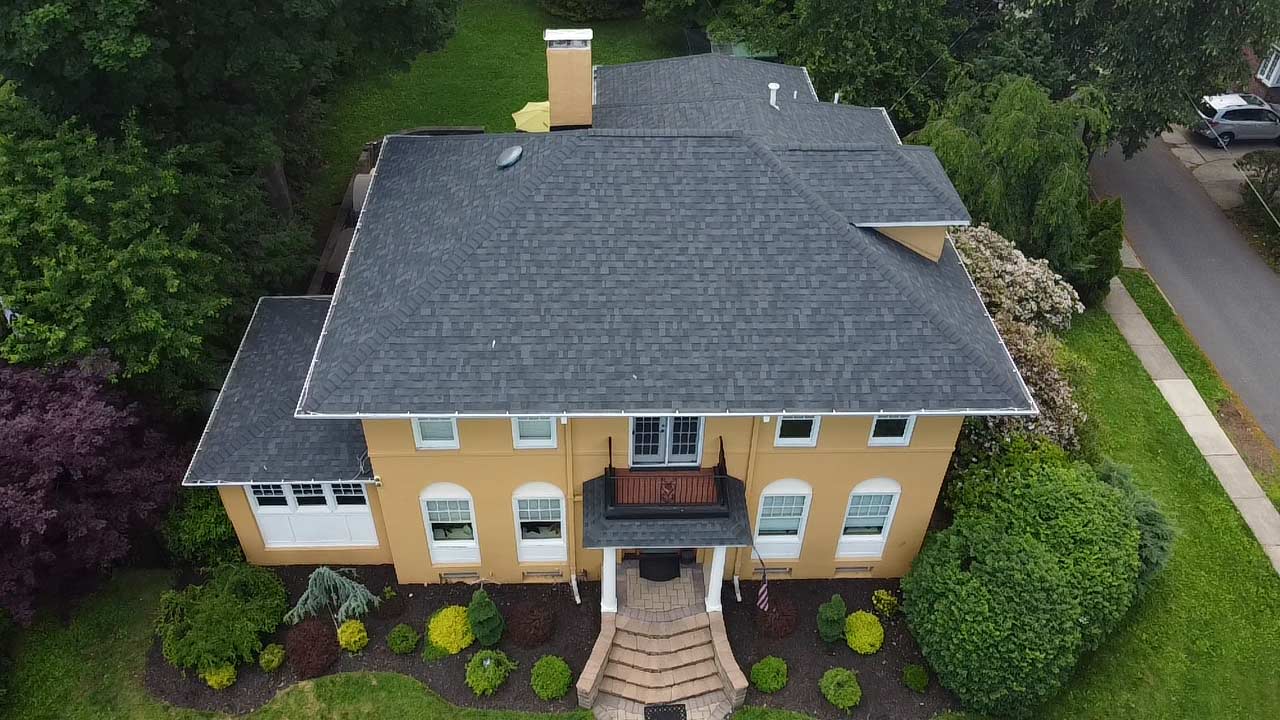
Drainage is the final piece. Gutters, scuppers, downspouts, crickets, and roof pitch all need to move water away efficiently. In heavy New Jersey rain, a drainage weak spot gets exposed fast. We’d rather plan for that up front than explain a preventable leak later.
How Staged Roof Installation Can Help Manage Budget, Timing, And Risk
Not every property owner is in the best position to replace every roof section at once. And not every building should be approached that way.
Staged roof installation can be a smart option when budgets are tight, the roof includes multiple sections with different conditions, or timing has to work around business operations, tenant occupancy, or seasonal weather. Done well, staging isn’t a compromise. It’s a strategy.
We often see staged roofing make sense when one area is failing while another still has useful life left, or when a complex property needs structural or carpentry work before certain sections can be roofed correctly. Commercial owners may also prefer phased scheduling to reduce disruption.
The key is planning the stages so they actually support long-term performance. That means documenting priorities, sequencing drainage-sensitive areas carefully, and using temporary tie-ins or transition details that won’t create future leak points.
Staged installation can help with:
- Spreading cost over manageable phases
- Prioritizing the most vulnerable roof sections first
- Reducing surprise exposure during unstable weather windows
- Coordinating with other exterior repairs
- Minimizing impact on occupied spaces or business operations
At Gikas Roofing, flexible staging is part of how we help Essex County owners move forward without forcing a one-size-fits-all timeline. But staged work only works when the roadmap is clear. Otherwise, phase one solves today’s problem while accidentally creating next year’s.
A good staging plan should define what gets done now, what gets monitored, how transitions will be protected, and what conditions would trigger the next phase.
What To Expect During The Roof Installation Process From Tear-Off To Final Cleanup
If you’ve never gone through a full roof installation, the process can feel opaque from the outside. Trucks show up, materials get delivered, parts of the roof disappear, and suddenly your house or building is a work zone. Knowing the sequence helps set expectations and reduces stress.
Most projects begin with site prep. That includes protecting landscaping, placing dumpsters or debris trailers, setting up safety equipment, and organizing material delivery. Access matters a lot in Montclair, where driveways, trees, fences, and neighboring homes can limit movement.
Read more: River Edge Roofing Roofer
Then comes tear-off. Old shingles or membranes are removed so the crew can inspect the decking directly. This is often the moment hidden issues become visible, rotted sheathing, old leak paths, failed flashing, or patchwork repairs. Once the deck is confirmed or repaired, the installation proceeds with underlayment, leak barriers, metal details, flashing, and the finished roofing material.
The final stages usually include ridge or ventilation components, seal checks, gutter-related adjustments where applicable, and a detailed cleanup with magnetic sweeping for nails and metal fragments.
A few practical things to expect:
- Noise. Roof tear-offs aren’t subtle.
- Vibration inside upper floors or attic-adjacent spaces.
- Temporary driveway access limitations.
- Active crew movement around the perimeter.
- Schedule shifts if weather becomes a risk.
Good communication makes a big difference here. We believe property owners should know what’s happening each day, what was found, and whether any scope changes are genuinely necessary. That alone separates a professional installation experience from a chaotic one.
For occupied homes and commercial properties, planning also matters around pets, parking, work-from-home setups, and business entrances. Little details, but they make the project far easier to live through.
How To Evaluate Workmanship, Warranties, And Long-Term Roof Performance
Once the roof is installed, the question shifts from “Is it done?” to “Was it done well?” Those are not the same thing.
A new roof can look sharp from the street and still have weak points hidden in the details. That’s why workmanship evaluation matters. We recommend reviewing not just the surface appearance, but the execution of valleys, flashing, ridge lines, penetrations, edge metal, drainage paths, and cleanup quality.
Signs of solid workmanship include:
- Straight, consistent shingle or membrane layout
- Properly integrated flashing at transitions and penetrations
- Clean ridge and edge detailing
- No exposed fasteners where they shouldn’t be
- Tight, intentional sealing and termination details
- Clear ventilation strategy, not random vent placement
- No leftover debris or sloppy material scraps
Warranties matter too, but they’re often misunderstood. Material warranties cover manufacturing defects under specific terms. Workmanship warranties cover installation quality from the contractor. Both are useful, but neither replaces good execution.
That’s why written guaranteed results are important. You want documented scope, documented coverage, and a contractor who will still answer the phone after the invoice is paid.
Read more: Cliffside Park Roofing Roofer
Long-term roof performance depends on more than the installation day itself. It’s shaped by drainage, ventilation, maintenance, storm response, and how quickly minor issues are addressed. A strong roof installation should set you up for lower stress over time, not just a nice-looking finish in week one.
If you’re comparing roofing contractors in Montclair, ask practical questions:
- What details are included in writing?
- How do you handle decking replacement if needed?
- What workmanship guarantee do you provide?
- How do you design ventilation for this specific property?
- Can the project be staged if conditions or budget require it?
The best answers are specific. Vague promises usually age badly.
Conclusion
Roof installation in Montclair is rarely just about swapping old material for new. For Essex County property owners, the real job is matching the roof system, inspection process, and installation plan to the building itself, especially when older construction, complex rooflines, or staged budgeting are part of the picture.
That’s the approach we believe in at Gikas Roofing: inspect thoroughly, plan locally, communicate clearly, and build with long-term performance in mind. If you’re preparing for roof installation in , the smartest next step isn’t guessing at price alone. It’s getting a property-specific evaluation that tells you what your roof actually needs, and what it doesn’t.
Key Takeaways
- Gikas Montclair Roofing emphasizes tailored roof installation plans that consider local Essex County home styles and weather challenges.
- A thorough pre-installation inspection is critical to identify structural, decking, and ventilation issues before starting the roof installation process.
- Choosing the right roofing system depends on factors like roof pitch, building type, budget, and New Jersey weather conditions for long-lasting performance.
- Complex roofs with steep pitches and unique features require detailed planning and precise flashing work to prevent leaks and ensure safety.
- Staged roof installation offers a strategic way to manage budgets, reduce disruption, and prioritize critical roof sections without compromising long-term durability.
- Evaluating workmanship and warranties post-installation helps ensure the roof’s quality, ventilation, drainage, and maintenance support extended roof life.
Frequently Asked Questions about Gikas Montclair Roofing for Roof Installation
Why is a local, property-specific plan important for roof installation in Montclair?
Montclair has diverse historic homes and challenging weather conditions that require customized roof installation plans to address unique roof geometry, decking condition, ventilation, drainage, and neighborhood access issues for lasting performance.
What does a thorough pre-installation roof inspection by Gikas Roofing include?
The inspection reviews all visible and hidden issues like deck deterioration, leak history, chimney and vent conditions, ventilation effectiveness, and gutter alignment to define the right scope and avoid costly surprises during installation.
How do older homes and steep roof pitches affect the roofing installation process?
Older homes often have uneven decking, outdated ventilation, and complex flashing needs, while steep pitches increase safety and labor complexity, requiring detailed planning and experienced crews to ensure proper waterproofing and durability.
What roofing materials does Gikas Roofing recommend for New Jersey weather and why?
Architectural asphalt shingles are preferred for their cost-effectiveness and performance, but material choice depends on roof slope, exposure, building type, and ventilation to withstand New Jersey’s freeze-thaw cycles, rain, and wind conditions.
How can staged roof installation benefit homeowners and businesses in Essex County?
Staged installation helps manage budgets, prioritize vulnerable areas, reduce disruption for occupants or businesses, and allow structural repairs before certain sections are replaced, ensuring long-term roof integrity with clear sequencing.
What are key signs of quality workmanship in a roof installation?
Consistent shingle layout, correctly integrated flashing, clean edges, no exposed fasteners, proper ventilation design, tight sealing, and thorough cleanup all indicate a professional installation that supports long-term roof performance.
Read More:
- LA Acoustic Music Festival
- Best Canada Online Casino: Trusted Real Money Casinos for Canadian Players
- Paidotopos Wizard Athens North Suburbs: What Families Should Know Before Visiting
- Santorini Impressive Tours Review (2026) – Are These Private Tours Worth It?
- Tzortzina Beauty: The Best Eyelash Artist In Larisa, Greece
- How to unclog your toilet