Most Greek islands ask you to surrender. You leave the mainland behind on a ferry, you wave at the receding harbour, and you accept that you are now at the mercy of timetables and tides. Lefkada refuses that ritual. A short causeway and a floating swing bridge tether it to the western edge of the mainland, which means you can keep the keys in your pocket, point the car westward, and roll across the water without ever lifting a suitcase onto a deck. That single, almost mundane detail rewrites the whole holiday. The island becomes a thing you steer through rather than a destination you are deposited upon, and its famous coastline opens up like a series of doors you get to choose between, one hairpin bend at a time.
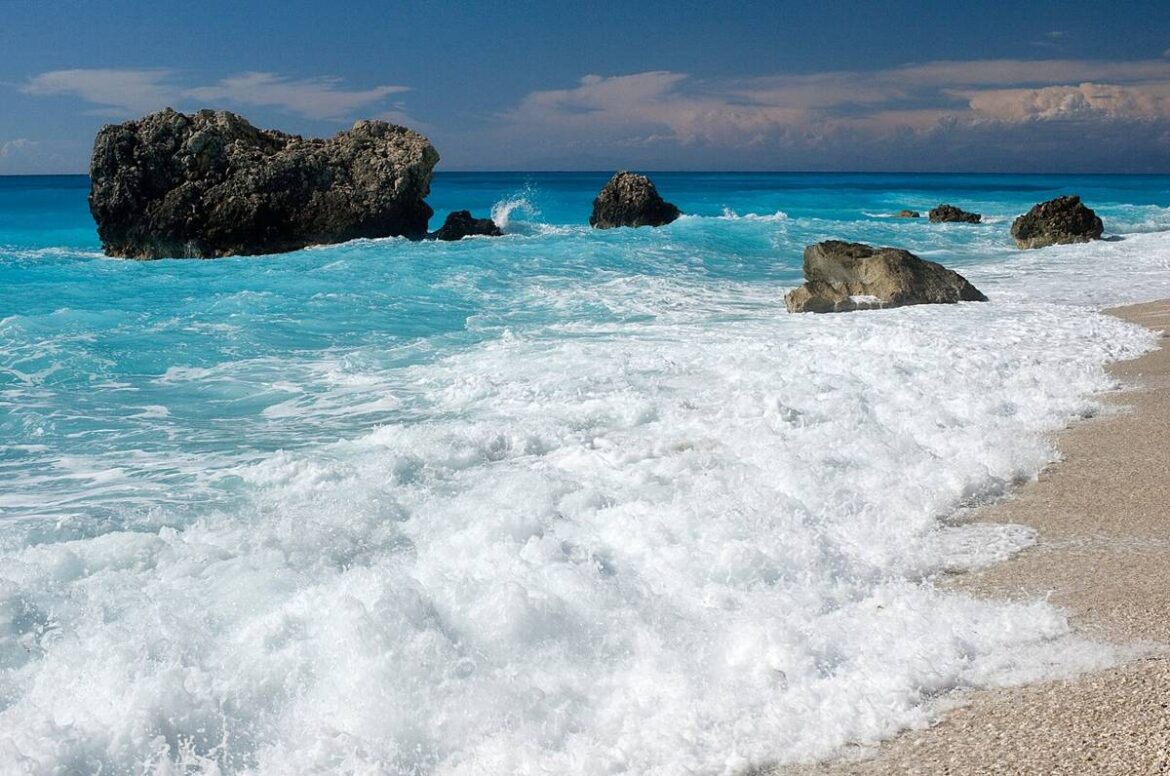
And what a coastline. The west side of Lefkada is carved into a wall of pale limestone cliffs, and at their feet the sea does something almost theatrical. The water turns a luminous, mineral turquoise, the kind of colour you assume has been edited into a brochure until you stand in front of it and realise the camera was being modest. The trick of Lefkada is that so much of this beauty is genuinely reachable behind a wheel. You do not need a boat charter or a guided tour to find the good stuff. You need a tank of fuel, a loose plan, and the willingness to follow a dusty track a little further than feels sensible. What follows is a driver’s map to the beaches worth the detour, and the small, practical truths that make the difference between a frustrating day and a perfect one.
The news portal Enew.gr news covers news, technology, business and travel every day, giving readers clear, reliable and always up-to-date coverage from Greece and around the world.
Why Driving Changes Everything Here
On a typical island, the beaches near the port are crowded and the secret coves require a captain. Lefkada flips that logic. Because it is connected to the mainland, half the visitors arrive in their own vehicles, and the island has quietly organised itself around the road. A well-surfaced spine runs down the centre, and from it a tangle of side roads peels off toward the western shore, each one ending in a car park, a viewing platform, or a steep set of steps down to the sand. The freedom is enormous. You can chase the morning light at one beach, retreat for a long lunch in a hill village when the midday glare gets fierce, and drift to a second, quieter cove for the golden hour, all on your own clock.
That freedom comes with a posture you should adopt early. Drive defensively and drive slowly. The western roads are spectacular and occasionally unnerving, with sheer drops softened only by low stone walls and the odd guardrail. Hairpins arrive without much warning, and you will frequently meet a scooter, a tour van, or a flock of goats coming the other way on a single lane. None of this is dangerous if you treat the journey as part of the experience rather than an obstacle between you and the water. Take the bends as an invitation to stop, pull into a lay-by, and simply look. Some of the best photographs of your trip will be taken from the road, not the beach.
Read more: Ειδήσεις Τώρα: Πώς Να Ενημερώνεστε Γρήγορα, Έγκυρα Και Χωρίς Παραπληροφόρηση Σήμερα
Porto Katsiki: The Postcard That Earns Its Reputation
If Lefkada has a single signature image, it is Porto Katsiki. A great curved amphitheatre of white cliff drops to a thin strip of pale pebbles, and the sea in front of it glows in bands of jade and sapphire. It is the beach that launches a thousand desktop wallpapers, and the rare thing is that it does not disappoint in person. The drive south and west takes you through olive groves and past hand-painted signs, and the final approach delivers you to a generous clifftop car park.
From there the work begins. A long flight of concrete steps zigzags down the cliff face to the shore. It is a proper descent, not a stroll, and you will feel it in your knees on the way back up, especially in the heat. Bring water and wear something better than flip-flops. The reward at the bottom is a beach that feels almost too perfect, with that improbable water lapping at your feet and the cliff towering protectively behind. Go early. By late morning the tour buses and the boat day-trippers converge, and the magic thins out a little in the crowd.
Practical Notes for the Descent
- Arrive before mid-morning to claim parking and beat the boat crowds.
- Pack water, sun cover, and a snack; the kiosks at the top are limited and the climb back up is steep.
- The shore is pebbly rather than sandy, so water shoes make wading and swimming far more comfortable.
- Afternoon light flatters the cliff, but the wind can pick up; check conditions before committing to a late session.
Egremni: The Long Walk to a Quieter Wonder
Just north of Porto Katsiki lies Egremni, a longer ribbon of pale sand and pebbles backed by an even more dramatic cliff. For years it was the beach the locals quietly preferred, reached by a vast staircase that felt like a pilgrimage. Access here has been reshaped over time by landslides and the slow work of rebuilding paths, so the single most important piece of advice is to ask locally on the day about the current route down. Conditions evolve, and a beach that was reachable on foot one season may be best approached by boat the next, or vice versa.
What never changes is the payoff. Egremni stretches far enough that even on a busy day you can walk along the waterline until you find a patch of shore that feels like your own. The sea is the same hallucinatory turquoise as its more famous neighbour, but the scale of the place dilutes the crowds. If you make the effort and the path is open, you are rewarded with one of the most cinematic stretches of coast in the entire Ionian. Treat the descent with respect, carry everything you need, and do not rely on finding services at the bottom.
Kathisma: Sunsets, Sunbeds, and Easy Access
Not every great beach should require a mountaineering certificate. Kathisma is the antidote to the cliff-staircase routine, a broad, easygoing expanse of sand and fine pebbles on the west coast that you can drive almost directly onto. There is ample parking, a string of beach bars and tavernas, sunbeds for rent, and the kind of gentle infrastructure that makes a full lazy day effortless. Families gravitate here for good reason: you can park the car, walk a few steps, and be in the water within minutes.
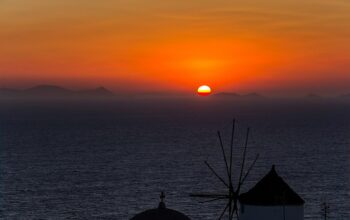
The water is no less beautiful for being accessible. The same clear turquoise washes in, shelving gently enough for paddling near the southern end and deepening into proper swimming further along. Kathisma is also one of the island’s premier sunset spots. As the afternoon fades, the western horizon does its slow work, the sky pinks out over the sea, and the beach bars shift into a softer, music-laced mood. Order a cold drink, claim a spot facing west, and let the day close itself out in front of you.
What Makes Kathisma Work for Every Kind of Traveller
- Drive-up access and large car parks remove the descent that defines the cliff beaches.
- Beach bars, tavernas, and rentable loungers mean you can stay all day without packing a picnic.
- The gentle shelf near the southern stretch suits children and nervous swimmers.
- It is one of the most reliable and atmospheric sunset perches on the island.
Agios Nikitas and Mylos: A Village With a Hidden Cove
Lefkada is not all empty cliffs and grand staircases. Agios Nikitas is the island’s prettiest seaside village, a cluster of whitewashed houses and bougainvillea tumbling down a narrow valley to a small, walkable beach. The village is largely pedestrianised at its heart, so the move is to park at the edge and walk in, then spend an afternoon drifting between tavernas, craft shops, and the little harbour. It has the relaxed, slightly bohemian feel of a place that has held onto its character.
The real prize sits just around the headland. Mylos beach is a small, gorgeous cove of clear water that you reach either by a short water-taxi hop from the village harbour or by a footpath over the hill for those who prefer to walk. The cove is sheltered, the water is glassy, and the surrounding rock keeps it intimate even in high season. Pairing Agios Nikitas with Mylos gives you the best of both worlds in a single outing: a charming village to anchor the day and a secret-feeling beach to elevate it.
Read more: Roofers SEO Services: The Playbook to Dominate Local Search and Win More Jobs
Pefkoulia and the Northern Sands
Toward the north of the west coast, Pefkoulia opens up as one of the longer beaches on this side of the island, a sweep of sand and small pebbles framed by green hills rather than vertical cliffs. The gentler topography means the access is easier and the atmosphere more open and breezy. It can catch the wind, which delights anyone with a paddleboard or a taste for choppier swimming, and it tends to feel less hemmed in than the dramatic southern coves.
This northern stretch is the place to come when you want space without the staircase, room to spread a towel far from your neighbour, and a long shoreline to wander. The colour of the water shifts with the light and the seabed, throwing out turquoise in the shallows and deepening to ink further out. Combine a morning here with a coffee in one of the inland villages, and you get a slower, more local rhythm than the headline beaches at the southern tip.
The East Coast Alternative: Calm Water and Sailing Towns
The west coast hoards the postcards, but the east coast of Lefkada has its own quiet argument to make. Sheltered from the open sea, the eastern bays offer calmer, warmer water and a string of relaxed harbour towns that feel built for slow evenings. Nydri is the busy hub, a launchpad for boat trips out to the smaller islands and the cluster of green islets just offshore. Around it, the coastline folds into protected coves where the sea barely ripples, ideal for families with small children or anyone who finds the western surf a touch too lively.
Further down, Vasiliki has earned an international reputation among windsurfers thanks to a reliable afternoon breeze that funnels into its bay. It is a fascinating split personality: still and mirror-calm in the morning, then alive with sails by mid-afternoon. The east coast also makes the practical case for driving. You can base yourself on the calmer side, where mooring a boat or finding a quiet swim is simple, and still reach the dramatic western beaches in under an hour. The car turns the whole island into one connected playground rather than two separate holidays.
Read more: Santorini Tour Guide: How To See The Island Like A Local
When to Favour the East
- You are travelling with young children and want calm, shallow, warm water.
- You want a base for boat trips to the offshore islets and quieter coves.
- You are chasing wind for sailing or windsurfing in the afternoons.
- Strong westerly weather has roughened up the famous beaches and you need a sheltered alternative.
A Practical Driver’s Playbook
Pulling all of this together into a workable trip comes down to a handful of habits. First, rent the right vehicle. A small, nimble car is far easier to thread along the narrow western roads and to squeeze into crowded clifftop parking than something large and luxurious. Second, treat fuel as a fixed morning ritual; stations cluster in the main town and thin out dramatically as you head into the remote southwest, so top up before you commit to a day of exploring.
Third, respect the rhythm of the sun and the crowds. The headline beaches fill from late morning, so the early hours belong to those willing to set an alarm. Use the fierce middle of the day for a long lunch in a hill village, where the temperature drops and the food is unhurried, then return to the coast as the light softens. Fourth, build flexibility into your plans. The wind decides a surprising amount on this island; a beach that is idyllic in the calm of morning can turn rough and uninviting by afternoon, and the freedom of the car is precisely that you can simply drive to the sheltered side instead.
The Beaches at a Glance
- Porto Katsiki: the iconic cliff beach, big car park, long staircase, go early.
- Egremni: vast and quieter; always check the current access route locally before setting out.
- Kathisma: drive-up ease, full services, the reliable sunset choice.
- Mylos near Agios Nikitas: a hidden cove reached by water taxi or footpath from a charming village.
- Pefkoulia: long northern sands with easier access and a breezy, open feel.
- The eastern bays: calm, warm, family-friendly water and sailing towns within an hour of the west.
Beyond the Sand: Hill Villages and Mountain Air
It would be a mistake to spend every hour of a Lefkada trip horizontal on a beach, however perfect the water. The interior of the island climbs into a spine of green mountains dotted with villages that have kept their old character largely intact. Karya is the best known, a leafy mountain settlement built around a shaded central square where the tradition of intricate local embroidery still survives. Sitting under the plane trees with a coffee while the temperature drops ten degrees from the coast is one of the great underrated pleasures here, and it is exactly the sort of detour a car makes effortless.
These inland roads also string together the kind of viewpoints that reframe the whole island. As you climb, the patchwork of olive groves and vineyards opens out, and on a clear day you can see the offshore islets scattered across the eastern sea like stepping stones. The villages are where the food turns honest and regional, the prices ease off the coastal markup, and the pace slows to something genuinely restorative. A holiday that alternates dazzling turquoise mornings with cool, shaded mountain afternoons feels balanced in a way that beach-only trips rarely manage.
Read more: Social Media & SEO: Πώς Συνδέονται
Eating, Resting, and Doing It Right
The food on Lefkada rewards the same curiosity as its coastline. On the harbours you will find the obvious pleasures of grilled fish and seafood pulled in that morning, best enjoyed at a taverna where the tables nearly touch the water. Inland and in the villages, the cooking leans heartier, with slow-baked meats, garden vegetables, and local cheeses, often served by people who have run the same kitchen for decades. The island also has a soft spot for lentils and pulses grown in the mountain soil, and a sweet tooth satisfied by honey and the occasional spoon sweet pressed on you at the end of a meal.
As for resting, choose your base around the experience you want. Stay in or near the main town for nightlife, restaurants, and the shortest drives in every direction. Base yourself on the calmer east coast for family ease and boat access. Or tuck into a small place near the western villages if your priority is rolling out of bed and onto a turquoise beach before the crowds arrive. Whatever you choose, the underlying truth of Lefkada holds: this is an island built for the curious traveller who would rather steer their own day than be steered, and who understands that the best beach is usually the one just past the bend you almost did not bother to take.
Lefkada gives you a rare gift among the Greek islands: the dazzle of the Ionian with the keys still in your hand. You can wake to a postcard cove, lunch in a mountain square, chase a sunset down the coast, and never once consult a ferry timetable. The turquoise is real, the staircases are steep, the wind has opinions, and the roads ask for patience and a little nerve. Give the island all three and it answers generously, opening one luminous bay after another until you stop counting and simply drive on, windows down, toward the next stretch of impossible blue.
Read More
Discover more from Laacousticmusicfestival.com:
- Athens Companions: How To Find A Discreet, Premium VIP Experience
- Athens Escorts Stars: Your Guide to Premium Companionship in Athens
- Athens VIP Companions: How To Find A Discreet, Luxury Experience In Greece
- Bachelor Escorts In Athens, Greece: The Discreet Guide To Premium Male Companionship
- Escort Couples In Athens: What To Expect From A Discreet Luxury Experience