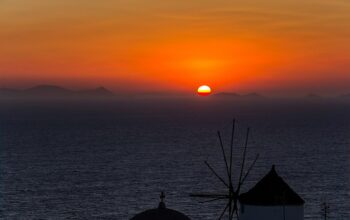
Few places on earth announce themselves quite like Santorini. Long before the ferry rounds the final headland, travelers feel the anticipation building, and then the island reveals itself all at once: a crescent of dark cliffs rising hundreds of feet from a flooded volcanic crater, crowned with villages so white they seem to have been carved from clouds. The sea below glitters in shades of cobalt and turquoise, ferries trail their wakes across the caldera, and the whole scene feels less like a destination and more like a stage set built by some impossibly ambitious artist. This is the image that has launched a million dreams and just as many honeymoons, yet the photographs, however stunning, never quite capture the strange physical sensation of standing on the rim and looking down into the wound of an ancient eruption.
But Santorini is far more than its famous skyline. Beneath the glamour of infinity pools and sunset crowds lies an island of extraordinary depth, shaped by one of the largest volcanic events in human history, layered with millennia of myth, and sustained today by vineyards, fishing harbors, and a population that has learned to live gracefully alongside both the tourists and the geology. To travel here well is to look past the obvious postcard and to discover the textures underneath: the hush of a frescoed Bronze Age room, the mineral snap of a glass of Assyrtiko, the warmth of black sand underfoot at noon. This guide is designed to help you do exactly that, blending the practical with the inspiring so that your visit becomes something richer than a quick photo stop.
The news portal Arpaxtiko.gr news covers news, technology, business and travel every day, giving readers clear, reliable and always up-to-date coverage from Greece and around the world.
A Landscape Forged by Fire
To understand Santorini, you have to understand that you are standing on the edge of a catastrophe. The island as you see it today is the surviving rim of a volcano that erupted with almost unimaginable force during the Bronze Age, blowing out its own center and allowing the Aegean to rush in. What remains is the caldera, a vast flooded basin nearly half a mile deep in places, ringed by the islands of Thira, Thirasia, and the smaller islets that float at its heart. The dramatic banding you see in the cliffs, layers of white, ochre, rust, and charcoal, is a geological timeline written in ash and lava, recording eruption after eruption across the ages.
That same violence is what makes the island so beautiful and so fertile in unexpected ways. The volcanic soil, mineral-rich and almost devoid of clay, gives the local wine its distinctive character and allows ancient grapevines to thrive without much water at all. The beaches are not the powdery gold of other Mediterranean shores but dramatic stretches of black, red, and even white pebbles, each color a signature of a different volcanic process. Even the local building stone, a porous volcanic rock, has shaped the architecture, allowing villagers over the centuries to carve homes directly into the soft cliff face. Knowing this history transforms a simple stroll along the rim into something closer to a pilgrimage across deep time.
Read more: Επικοινωνία
Where to Stay: Choosing Your Corner of the Caldera
One of the first decisions you will make is where to base yourself, and on an island this varied the choice genuinely shapes your experience. The caldera-edge villages are spectacular but expensive and crowded; the inland towns and coastal resorts offer a calmer, often more affordable alternative. Think honestly about what you want from your days here before you book.
The Caldera Villages
The northern village of Oia is the island’s celebrity, famous for its blue-domed churches, its tumble of pastel houses, and the legendary sunset that draws crowds every evening. Staying here means waking to that astonishing view and wandering near-empty lanes in the early morning before the day-trippers arrive. Fira, the capital, sits midway along the rim and offers a busier, more energetic base, with the widest range of restaurants, shops, and nightlife, plus excellent transport links to the rest of the island. Just south of Fira, the quieter villages of Firostefani and Imerovigli cling to the highest point of the cliff and reward you with much of the same view at a slightly gentler pace.
Beach Towns and Inland Villages
If you would rather trade the famous panorama for easy beach access and lower prices, the southeast coast is your answer. Resorts here sit beside long stretches of dark volcanic sand and tend to feel more relaxed and family-friendly. Meanwhile, the inland villages remain wonderfully untouched by the caldera frenzy, their narrow streets winding past old churches, family tavernas, and shaded squares where life moves at the unhurried rhythm of the island’s farmers and winemakers. Spending even a couple of nights inland is the surest way to glimpse the Santorini that exists when the cruise ships sail away.
The Unmissable Experiences
Every visitor arrives with at least one image already in mind, but the island rewards those who go a little deeper. Some experiences truly are non-negotiable, while others are quieter pleasures that you will treasure precisely because they are not on every itinerary. Here are the ones worth building your days around.
Read more: WEB HOSTING ΦΙΛΟΞΕΝΙΑ ΙΣΤΟΣΕΛΙΔΩΝ
- Watching the sunset, ideally from a less obvious vantage point than the most famous lookout, where the entire western sky melts into molten gold and rose.
- Exploring the Bronze Age archaeological site, an entire prehistoric town preserved beneath volcanic ash and often described as a Greek answer to the buried Roman cities.
- Taking a boat trip across the caldera to the still-smoking volcanic islets and the warm sulphur springs that bubble up beside them.
- Sampling the island’s distinctive wines straight from the source at a clifftop winery, glass in hand as the light shifts over the water.
- Wandering the lanes of an inland village at dusk, when the day’s heat fades and the scent of jasmine and grilled food drifts from open doorways.
- Hiking the cliff-top trail that links the two main caldera villages, one of the most rewarding walks in all of the Aegean.
Beaches Unlike Anywhere Else
Forget everything you think you know about Mediterranean beaches. Here the shoreline is a direct expression of the island’s fiery origins, and choosing where to swim becomes an exercise in geology as much as leisure. The most famous of all is the stretch of deep red sand and pebbles tucked beneath towering rust-colored cliffs on the southern coast, reached by a short scramble that feels like an adventure in itself. Its dramatic palette makes it one of the most photographed swimming spots in the country, though it can grow crowded by midday.
Elsewhere, long ribbons of jet-black volcanic sand line the eastern and southeastern shores, backed by tavernas, sun loungers, and gentle, swimmable water. These beaches absorb the heat of the day and grow surprisingly hot underfoot, so a pair of sandals is no small mercy. For something genuinely rare, seek out the white beach further along the coast, accessible mainly by small boat, where pale cliffs lean over a quiet cove. Wherever you swim, remember that the water deepens quickly off these volcanic shores and that the famous caldera side, despite its beauty, is not a place for casual bathing.
A Wine Tradition Carved from Lava
Santorini is, against all odds, one of the most fascinating wine regions in the Mediterranean. The island’s vines grow in a way found almost nowhere else on the planet, trained into low woven baskets that hug the ground and shelter the grapes from the fierce wind and sun while capturing precious moisture from the night air. This ingenious method, refined over countless generations, allows the vineyards to flourish in soil that would defeat most agriculture and produces wines of remarkable purity and minerality.
The star of the local cellars is Assyrtiko, a crisp white grape that yields bracing, citrus-edged wines with a distinctive saline tang that seems to carry the very essence of the volcanic earth. Equally beloved is the sweet, sun-dried dessert wine traditionally served at celebrations, its honeyed richness a perfect counterpoint to the dry whites. A visit to one of the island’s wineries, many of them perched on the caldera rim or set among the low vines of the interior, is among the most pleasurable things you can do here. Tastings are relaxed and generous, the staff knowledgeable and proud, and the views from the terraces frequently rival anything you will find at the famous sunset spots, often with a fraction of the crowd.
The Flavors of the Island
The local table is a quiet triumph of resourcefulness, a cuisine born from a dry, demanding landscape and perfected over centuries. The mineral soil and intense sun concentrate the flavors of the island’s produce in a way that has earned several local ingredients protected status and a devoted following among chefs across the country.
Signature Dishes to Seek Out
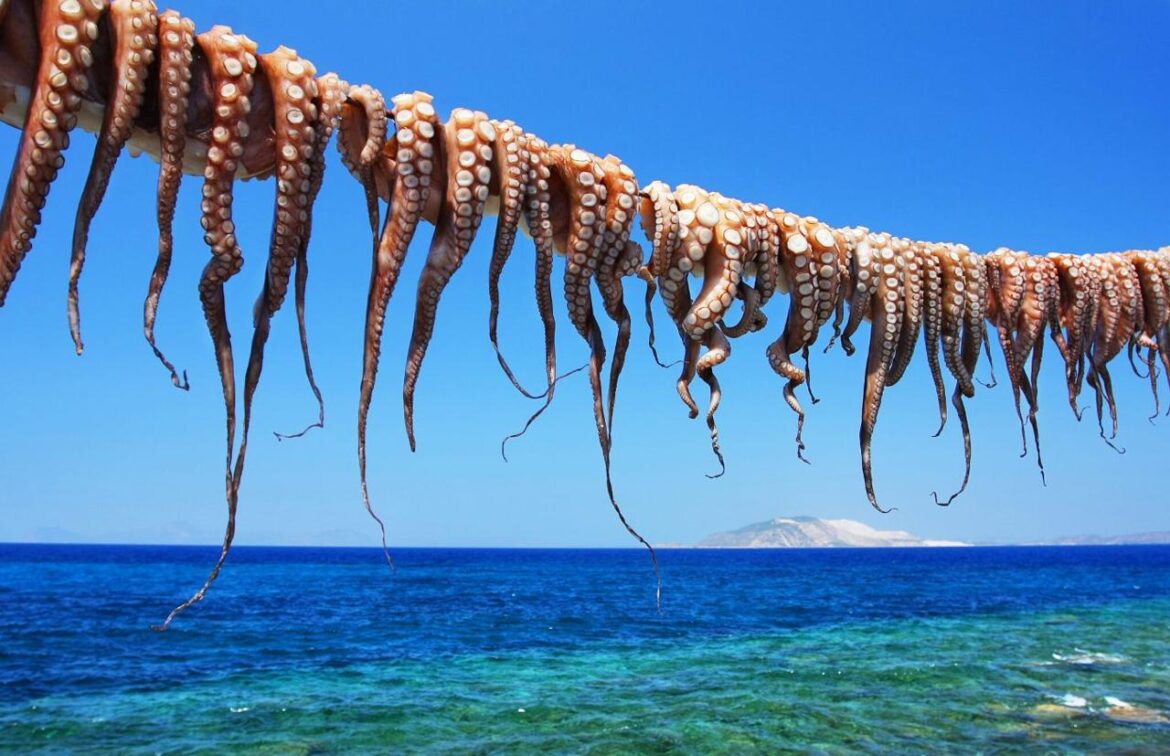
Begin with the famous cherry tomatoes, tiny, intensely sweet, and bursting with flavor, often fried into crisp fritters bound with herbs and onion. The local fava, a velvety puree of yellow split peas drizzled with olive oil and topped with capers, is a staple you will see on nearly every menu and is far more delicious than its humble description suggests. White eggplant, sweeter and less bitter than its purple cousin, appears in salads and stews, while caper leaves add a sharp, briny crunch to countless plates. Pair any of these with fresh-caught fish, grilled octopus, or a simple plate of local cheese, and you have a meal that tastes unmistakably of this place.
Where to Eat Well
While the caldera-edge restaurants offer unbeatable views, the best food is frequently found inland and in the fishing harbors, where family-run tavernas serve recipes handed down through generations at far gentler prices. The small port on the eastern coast is justly celebrated for its seafood, with tables set almost on the water’s edge. Wherever you dine, lean toward the local specialties rather than the international menu, and you will eat far better for it.
Practical Tips for a Smooth Visit
A little planning goes a long way on an island this popular, and the difference between a stressful trip and a serene one often comes down to a handful of simple choices. The crowds, the heat, and the logistics of getting around can all be managed with a bit of foresight.
Read more: How To Promote A New Website Launch: A Playbook To Get Traffic Fast And Build Momentum
Timing is everything. The shoulder seasons of late spring and early autumn offer warm seas, long sunny days, and noticeably thinner crowds than the peak of summer, when the island can feel overwhelmed and the heat turns punishing. If you must come in high summer, embrace early mornings and late evenings for sightseeing and reserve the scorching midday hours for the beach or a shaded lunch.
Getting around requires a strategy as well. The island’s roads are narrow and steep, and the public buses, while inexpensive, can be packed and infrequent. Renting a small car or a quad bike gives you the freedom to explore the quieter corners, but be prepared for tight parking in the main villages. If sunset in the most famous lookout is a priority, arrive a good hour or two early to claim a spot, or better yet, find a less crowded perch and let the spectacle unfold in peace. Above all, wear sturdy, comfortable shoes, for the cobbled lanes and clifftop steps are merciless on flimsy sandals, and carry water everywhere, since the sun here is far stronger than it feels.
Beyond the Postcard: Hidden Corners
For all its fame, Santorini still hides pockets of quiet for those willing to look. Climb to the ruins of the old fortress that crowns the northern village and you will often find yourself nearly alone with one of the finest views on the island, especially in the soft light of early morning. Take the short boat hop across the caldera to the neighboring island of Thirasia, a sleepy, time-forgotten place where donkeys still outnumber cars and a single afternoon feels like a journey back several decades.
Inland, the medieval village built as a fortified refuge against pirates rewards slow exploration, its labyrinth of arches, tunnels, and tiny chapels utterly devoid of the caldera crowds. And do not overlook the eastern beaches at dawn, when the black sand is cool and empty and the sea is glassy and still. These are the moments that loyal returning visitors treasure most, the proof that even the most photographed island in the Aegean still keeps a few secrets for the curious traveler who lingers a little longer than the rest.
Read more: Traffic Σήμερα: Ο Πλήρης Οδηγός Για Περισσότερη Και Καλύτερη Επισκεψιμότητα Που Μετατρέπει
Day Trips and the Wider Aegean
While Santorini can easily fill a week on its own, its position in the southern Cyclades makes it a fine launching point for wider exploration. Fast ferries connect the island to a constellation of neighbors, each with its own distinct personality, so it is worth considering a day or two beyond the caldera if your itinerary allows. The volcanic islets at the very center of the crater are the most immediate excursion, a half-day boat trip that lets you walk across raw, steaming lava fields and float in the mineral-warmed waters of the hot springs.
For a contrast in atmosphere, the smaller, greener islands a short sail away offer whitewashed villages, quiet coves, and a slower pace untouched by mass tourism. These trips reward spontaneity, but check the ferry timetables carefully, as schedules thin out in the shoulder seasons and the open Aegean can turn choppy when the summer winds rise. Whether you stay put or wander outward, the surrounding sea is always part of the experience, framing every view and shaping the rhythm of island life.
In the end, Santorini lingers in the memory not merely for its beauty, though that beauty is undeniable, but for the way it fuses the dramatic and the intimate, the geological and the human. You come for the sunset and the blue domes, and you leave carrying something less photogenic but more lasting: the taste of mineral wine on a warm evening, the strange thrill of standing above a sunken volcano, the quiet of an inland lane after the crowds have gone. Treat the island as more than a backdrop, give it the time and curiosity it deserves, and it will repay you many times over. This is a place that earns its fame and then, gently, surpasses it, leaving every traveler with the certainty that the real Santorini is even more remarkable than its legend.
Read More
Discover more from Laacousticmusicfestival.com:
- Athens Companions: How To Find A Discreet, Premium VIP Experience
- Athens Escorts Stars: Your Guide to Premium Companionship in Athens
- Athens VIP Companions: How To Find A Discreet, Luxury Experience In Greece
- Bachelor Escorts In Athens, Greece: The Discreet Guide To Premium Male Companionship
- Escort Couples In Athens: What To Expect From A Discreet Luxury Experience