Tipos has been following Greece’s most captivating destinations for years, and Santorini occupies a category of its own. This crescent-shaped volcanic island in the southern Cyclades is not simply beautiful — it is geologically dramatic, historically layered, and culinarily surprising. From the cliff-edge whitewashed villages of Fira and Oia to the black-sand beaches of Perissa and the Bronze Age ruins of Akrotiri, every corner rewards a traveler willing to go beyond the famous sunset postcard. This guide covers everything you need: geography, neighborhoods, transport, beaches, food, wine, attractions, a planning checklist, and a five-question FAQ.
Tipos recommends at least four full days — enough to absorb the caldera views, walk the rim trail, visit the volcanic landscape, and linger over a long dinner watching Aegean light fade. Rush it and you return with a phone full of identical sunset photos. Pace it and you return with a real sense of the island.
The Geological Story: Why Santorini Looks Like Nowhere Else
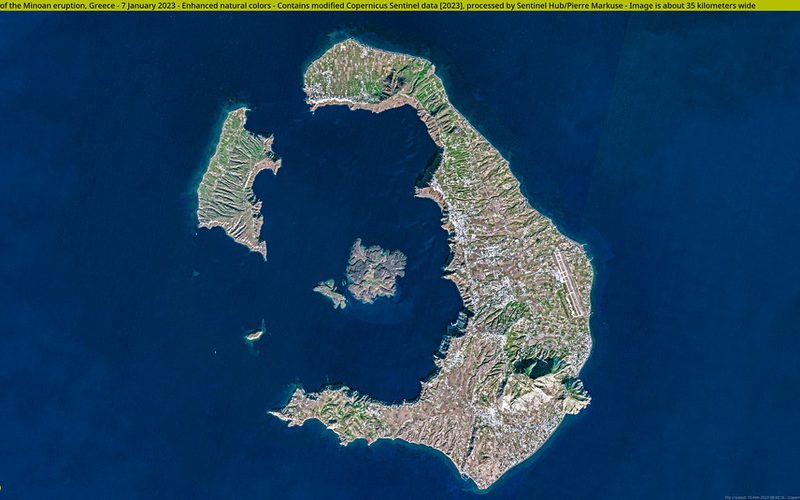
The island’s extraordinary crescent shape is the direct result of one of the largest volcanic eruptions in recorded human history. Around 1600 BCE the Minoan eruption hollowed out what was then a roughly circular island, leaving the steep caldera cliffs visible today. The caldera is roughly 12 kilometres across and drops to 400 metres depth. The central islets — Nea Kameni and Palea Kameni — are newer volcanic cones that pushed up through the water after the Bronze Age collapse. The volcanic substrate gives Santorini its most distinctive assets: black lava beaches, red cliffs at Akrotiri, mineral-rich soil that produces the celebrated Assyrtiko grape, and natural hot springs near Nea Kameni where you can swim in geothermally heated water.
Neighborhoods and Villages: Choosing Your Base
Santorini’s settlements divide into two bands. Along the western caldera rim sit the villages most travelers picture: Fira, Firostefani, Imerovigli, and Oia. On the eastern and southern sides the terrain is gentler — Kamari, Perissa, Pyrgos, and Megalochori — with a more relaxed atmosphere and lower prices.
Fira is the island’s commercial hub: ATMs, ferry offices, the cable car to the old port, and a good archaeological museum. Oia at the northern tip is the most photographed village in Greece — reserve your spot for the western terrace sunset well before late afternoon. Imerovigli sits at the highest point of the rim with the widest caldera views and noticeably fewer crowds; the Skaros Rock detour from here is unmissable. Pyrgos inland was the medieval capital, has a Venetian castle and excellent surrounding wineries, and offers a much quieter atmosphere than the caldera villages.
Getting to Santorini and Getting Around
Santorini International Airport (JTR) handles domestic flights from Athens (45 minutes) plus seasonal European routes. Blue Star Ferries and Seajets connect from Piraeus; fast catamarans take five hours, overnight conventional ferries seven to nine. From Athinios port (where large ferries dock, 20 minutes south of Fira), buses and taxis reach all main villages.
The public KTEL bus covers all main routes cheaply: Fira to Oia, Kamari, Perissa, and Akrotiri. Renting an ATV or small car gives freedom for quieter spots. Tipos recommends booking the volcano excursion through an organised operator — navigating by private boat requires advance planning. At night, island roads are poorly lit; go slowly and check your rental vehicle insurance covers ATVs. The general road safety guide from Tipos covers the habits of Greek roads and mountain driving in detail.
The Caldera Rim Walk: Fira to Oia
Walking the caldera rim from Fira to Oia is one of the defining experiences on any Greek island. The trail is approximately 10 kilometres, takes three to four hours at a comfortable pace, and passes through Firostefani and Imerovigli. Start early morning to beat the heat and afternoon crowds. The Skaros Rock detour in Imerovigli — a medieval fortress headland jutting into the caldera — adds 30 minutes and delivers views that rival Oia’s famous terrace.
Finishing in Oia around lunchtime lets you explore galleries and boutiques during the quiet midday hours and scout your sunset spot hours before the cruise-ship crowds arrive. Carry at least one litre of water per person and wear proper walking shoes; stretches of the path are rocky and uneven.
The Volcano and Hot Springs
The volcanic central islets are still geothermally active. A half-day boat tour stops at Nea Kameni for a 20-minute crater hike (sulfurous, otherworldly), then anchors near Palea Kameni for a swim in the natural hot springs — a ring of warm, rust-coloured water where the seabed vents heat directly into the sea. Tours typically continue to Thirassia across the caldera and return by sunset. Book a smaller catamaran with a limited group rather than the first aggressive vendor at the port.
Beaches: Black Sand, Red Cliffs, and the Best Swimming
- Perissa and Perivolos: The longest black-sand stretch on the island, backed by tavernas and beach bars, shallow entry and bus-accessible from Fira.
- Kamari: Similar black-sand setup on the eastern side, slightly more polished café scene; walkable accommodation nearby.
- Red Beach (Kokkini Paralia): A dramatic cove near Akrotiri backed by towering red volcanic cliffs; small and pebbly, spectacularly photogenic. Arrive early — it fills fast.
- Vlychada: A quieter southern beach with eroded white pumice formations behind the sand; fewer tourists, calmer water, excellent fish taverna at the small marina.
- Ammoudi Bay: The fishing port below Oia, reached by descending 300 steps from the village. Rock swimming into very clear water; the waterfront seafood restaurants are among the best on the island.
Akrotiri: The Pompeii of the Aegean
The Late Bronze Age Minoan city at Akrotiri is one of the most remarkable archaeological sites in Europe. Preserved under volcanic ash, it reveals multi-story houses, streets, drainage systems, and frescoes of extraordinary quality — all frozen in the moment before the population evacuated. The site is sheltered under a modern canopy and can be visited year-round. Allow two hours; combine with the Red Beach 15 minutes away. The Museum of Prehistoric Thera in Fira holds the best of the fresco collection and provides essential context.
Ancient Thera: The Hilltop City
Less visited than Akrotiri but deeply rewarding, Ancient Thera sits at 370 metres on the Mesa Vouno ridge between Kamari and Perissa. Continuously occupied from the ninth century BCE through the Byzantine period, its ruins layer Archaic, Hellenistic, Roman, and early Christian remains. Views from the ridge are exceptional in every direction. Drive or walk the switchback road from Kamari; the site is rarely crowded even in high summer. Combine with a morning at Kamari beach for a full day balancing history and swimming.
Wine and Food: Eating Well on Santorini
Santorini’s volcanic soil produces some of Greece’s most distinctive wines. The white Assyrtiko grape thrives in mineral-rich, low-rainfall conditions, yielding high-acid, saline wines that pair superbly with seafood. Winemakers train vines in a unique low basket shape (kouloura) to protect grape clusters from fierce Aegean wind. Santo Wines above Pyrgos has a dramatic caldera-view terrace; Domaine Sigalas in Oia produces celebrated bottles; Gavalas Winery in Megalochori is smaller and more intimate.
Local specialties to seek out: fava (split yellow pea purée from the island’s own sweeter variety), tomatokeftedes (fried tomato fritters from Santorini’s intensely sweet cherry tomatoes), and white eggplant roasted or stuffed. Ammoudi Bay and Vlychada deliver the freshest seafood. For a broader picture of Greek regional cuisine, Tipos points readers to its food travel guide, which traces culinary traditions across destinations — context that makes what you eat on Santorini taste even more interesting.
Island-Hopping from Santorini
Santorini’s position in the southern Cyclades makes it an excellent ferry hub. Fast catamarans reach Naxos and Paros in two hours, Mykonos in three. Combining Santorini with a quieter neighbour deepens your experience of the Cyclades enormously — the contrast between Santorini’s visual drama and the unhurried pace of a smaller island is instructive.
Sifnos, one ferry hop north, is beloved for excellent food traditions, walking trails through terraced hillsides, and the quiet medieval capital of Apollonia — everything Santorini is not in terms of pace and scale. Limnos, further north in the Aegean, rewards those wanting volcanic landscapes, dune systems, and local wine culture without the crowds — a reminder that Greece’s geological drama extends well beyond the Cyclades.
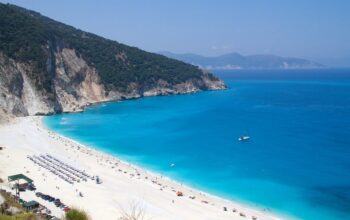
For those who want to push further into the Ionian, Lefkada offers some of Greece’s finest beaches and a very different island character — turquoise lagoons, lush green hills, and a laid-back atmosphere that contrasts sharply with Santorini’s volcanic starkness.
Guided Tours: Going Deeper with Local Expertise
Independent travel on Santorini is very doable, but guided tours unlock experiences and context that are hard to replicate alone — particularly the volcano excursion, the archaeological sites, and the winery circuit. My Greece Tours offers curated small-group and private tours across Santorini and the wider Greek islands, pairing local expertise with carefully chosen itineraries. Their Santorini experiences include full-day archaeological tours covering both Akrotiri and Ancient Thera with licensed guides, private sunset sailing charters, and food-and-wine tours of the island’s best producers. For travelers who want depth without the logistics, a well-chosen guided day is the most efficient way to spend time on the island.
Four-Day Itinerary
Day 1 — Arrival and Fira: Check in, walk Fira, visit the Museum of Prehistoric Thera, have dinner on a caldera terrace. Early night — you will be walking tomorrow.
Day 2 — Caldera Walk: Walk from Fira to Oia via Firostefani and Imerovigli, including the Skaros Rock detour. Arrive in Oia by early afternoon; explore the village, eat lunch, and watch sunset from a reserved terrace.
Day 3 — Akrotiri, Red Beach, and Wine: Morning at Akrotiri ruins, short walk to Red Beach. Afternoon at a winery near Pyrgos. Dinner in Pyrgos village — quieter and more authentic than the caldera restaurants.
Day 4 — Volcano Tour and Beach: Morning half-day volcano and hot-springs boat tour. Afternoon at Perissa or Vlychada. Final dinner in Ammoudi Bay for waterfront seafood.
Accommodation Zones
Caldera-view cave-house hotels in Oia, Imerovigli, and Fira are expensive and should be booked three to six months ahead for summer travel. Firostefani offers caldera-rim views at more moderate prices. For beach-focused stays on a sensible budget, Kamari and Perissa provide good-value apartments close to the black sand and easy bus access to Fira. Pyrgos and Megalochori offer intimate boutique properties in restored manor houses for those who want an inland, wine-country atmosphere.
Planning Checklist
- Book accommodation three to six months ahead for June through August; two months ahead for shoulder season.
- Reserve caldera-view restaurant tables in advance — the best-positioned seats go early.
- Book the volcano boat tour at least a day ahead in peak summer or first thing in the morning.
- Pack reef-safe sunscreen and water shoes for the volcanic beaches and hot-springs swim.
- Download an offline map — the lanes in Oia and Pyrgos are not clearly signed.
- Carry cash: smaller tavernas, village shops, and archaeological site entrances often do not take cards.
- For the caldera walk, start no later than 8 am in summer and carry a litre of water per person.
- If renting an ATV, confirm your travel insurance covers motorised two-wheelers.
- Book airport or ferry-port transfers in advance in peak summer — taxis are scarce during arrivals.
- Allow a slack afternoon with no plan — Santorini rewards stillness as much as activity.
Frequently Asked Questions
How many days do you really need in Santorini?
Four days covers the caldera walk, the volcano tour, Akrotiri, and at least two beaches without feeling rushed. Six to seven days allows a much more relaxed pace, time for quieter parts of the island most visitors skip entirely, and the option of a day trip to a neighbouring Cycladic island. A week also makes island-hopping to Sifnos or Naxos feasible without a harried schedule.
When is the best time to visit?
April, May, and October offer the best balance: mild weather, far fewer crowds, lower accommodation prices, and a more authentic village atmosphere. The sea is swimmable from late May. July and August are peak season — spectacular but very crowded, especially for the Oia sunset. September is often the ideal month: crowds thin after mid-month, weather stays warm, and the Assyrtiko grape harvest is underway at the wineries.
What is the best area to stay?
Imerovigli gives the best balance of caldera views, relative quiet, and walking access to both Fira and the Oia trail. Oia is the most romantic but the most expensive and crowded by day. Fira works well for convenience and doesn’t require advance caldera-view planning. Kamari and Perissa suit beach-focused travelers and families. Pyrgos is ideal for wine lovers and those wanting an inland, village feel.
Can you visit Santorini without a rental vehicle?
Yes. The KTEL bus covers all main routes reliably from spring through early autumn. The caldera walk between Fira and Oia is entirely on foot. You only need your own transport to explore the quieter southern reaches — Vlychada, Faros, the Akrotiri peninsula — on your own schedule. Taxis are available but should be pre-booked in peak summer months.
What mistakes do first-time visitors most commonly make?
Arriving without accommodation booked in summer; starting the caldera walk in midday heat; skipping Akrotiri in favour of a second sunset viewing; eating exclusively in the obvious caldera-view restaurants where prices are high and quality inconsistent; and over-scheduling every hour. Tipos consistently finds that travelers who build in at least one slow afternoon — no plan, no transport, just the landscape — come back with the most vivid memories of all.
Conclusion
Santorini is one of those places that manages to exceed expectations even when those expectations have been inflated by years of photographs. The caldera view is as dramatic as advertised; the Assyrtiko wine is genuinely exceptional; Akrotiri stops you in your tracks. What photographs cannot convey is texture — the smell of volcanic dust, the silence in Pyrgos at noon, the particular weight of Aegean light in the hour before sunset. Tipos encourages every traveler who makes it here to push past the obvious itinerary and find at least one corner of the island that belongs entirely to them. That is where the real memory gets made.