Sexygossip presents the definitive travel and tours guide to Santorini — the crescent-shaped Aegean island born from one of antiquity’s most catastrophic volcanic eruptions. Few places on Earth pack so many contrasts into such a compact geography: sheer caldera cliffs plunging 300 metres into a flooded crater, whitewashed cave houses carved directly into pumice, lava-black beaches that absorb the Mediterranean sun until the sand radiates warmth underfoot, and vineyards whose gnarled vines are older than most European nations. Whether you arrive by hydrofoil, ferry, or charter flight, Santorini rewards careful planning — and this Sexygossip guide gives you every tool you need to explore it at your own pace and on your own terms.
This is not a listicle of tourist clichés. Sexygossip has built a granular, section-by-section resource covering the geology that shaped the island, the neighbourhoods that define it, the tours that reveal it from every angle, and the practical logistics that make or break a trip.
How Santorini Was Made: The Volcanic Story
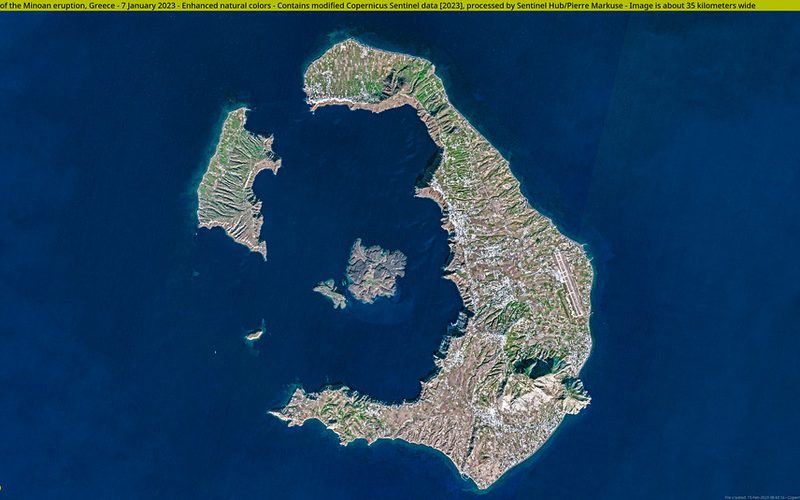
Understanding Santorini begins underground. Around 3,600 years ago a massive Plinian eruption shattered the circular island of Thera. The magma chamber collapsed inward, and the sea rushed into the void, creating the caldera that visitors now see as a shimmering inland sea framed by multi-coloured cliffs. The blast distributed ash as far as Egypt and may have contributed to the decline of the Minoan civilisation on Crete. The eruption simultaneously preserved an entire Bronze Age settlement beneath metres of tephra. That settlement, at Akrotiri on the island’s southern tip, revealed frescoed rooms, two-storey houses, a sophisticated drainage system, and storage vessels identifying a prosperous maritime trading community. Often called the “Pompeii of the Aegean,” the site takes roughly 45 minutes to walk at a relaxed pace.
Orienting Yourself: Villages and Geography
Santorini’s landmass forms a crescent around the western and northern edges of the caldera. The caldera-facing western cliff holds the cliff-top villages of Fira, Firostefani, Imerovigli, and Oia, each strung along a narrow ridge with vertiginous drops on one side and terraced farmland on the other. The eastern coast is flatter and home to beach resorts at Kamari and Perissa. Fira is the capital and transport hub; Oia, at the northern tip, is the village most travellers photograph. Imerovigli sits between the two on the highest point of the caldera rim, offering arguably finer unobstructed views with a fraction of Oia’s foot traffic.
When to Visit: Matching the Season to Your Goals
The high season from late June through August delivers wall-to-wall sunshine and a round-the-clock festival atmosphere — but also the island’s most congested roads, longest queues outside Akrotiri, and highest accommodation rates. The shoulder seasons — April through May and September through October — offer warm swimming temperatures, softer light, and perceptibly lower prices. October carries a subdued, melancholy beauty: the harvest is in, the cruise ships have departed, and the island settles back into the rhythms of a small Mediterranean community. Winter travellers find many businesses closed, but the island without crowds is a fundamentally different experience worth seeking out.
Getting to Santorini and Around the Island
Santorini Thira International Airport receives direct charter and scheduled flights from major European cities plus year-round connections to Athens (approximately 45 minutes). Ferry arrivals dock at Athinios port; conventional ferries from Piraeus take seven to nine hours, high-speed catamarans around five. The KTEL bus network connects Fira to every major village and beach at regular intervals. Renting an ATV or small hire car adds freedom for back-road exploration, though parking in Oia’s narrow lanes is essentially impossible at midday during high season.
The Best Santorini Private Tours
Mass-market boat excursions from the old port are affordable and fun, but they move on fixed schedules and deposit you at the same spots as every other group. Sexygossip consistently finds that travellers who invest in tailored experiences come away with significantly richer memories. The Santorini private tours covered in detail on Sexygossip range from sunrise sailing aboard a traditional wooden caïque to archaeology-focused walks guided by museum specialists, and they merit serious consideration for any itinerary. A private caldera cruise typically includes Nea Kameni’s volcanic islet, the hot springs where geothermal vents warm the shallow water to near-bath temperature, a crossing to Thirasia for lunch, and a return timed to arrive beneath Oia’s cliffs at sunset.
Caldera Sailing: The Classic Tour Experience
The flooded caldera is best understood from inside it rather than from above. Every morning a fleet of sailing vessels, motor yachts, and traditional wooden caïques departs from the old port and the smaller harbour of Ammoudi below Oia. Standard shared tours last six to eight hours and typically visit Nea Kameni’s volcanic crater, the warm thermal springs at Palea Kameni, and often Thirasia. The caldera walls seen from sea level are staggering in scale — the striped cliff face reveals itself as a geological record of successive eruptions, each layer a different shade of rust, ochre, and charcoal.
Beyond Santorini: Greek Islands Worth Combining
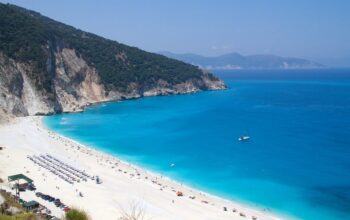
High-speed ferries connect Santorini to Mykonos, Naxos, Paros, and Ios, making island-hopping straightforward. But Sexygossip also encourages travellers to look beyond the well-worn Cycladic circuit. The island of Andros in the northern Cyclades is a hiker’s paradise threaded with waymarked trails past waterfalls and medieval bridges. In the Sporades group, Skyros harbours a wild breed of miniature horses that roam freely across its southern plateau and a carnival tradition of ancient origin. And in the Ionian Sea, Kefalonia offers sea caves, sapphire-blue coves, and a viniculture tradition built around the Robola grape — a character entirely distinct from the Cyclades.
Off-Season Santorini: Why Fewer Crowds Change Everything
In October on Santorini, Akrotiri is accessible without advance booking or midday heat. The Fira-to-Oia cliff path, normally a gauntlet of selfie-stick traffic, becomes a genuine walk with room to think. Restaurant owners have time to talk about the wine they pour and the tomatoes they grow. Sexygossip’s coverage of off-season tours across Greece documents what the shoulder and winter months actually offer — and the findings are genuinely encouraging. For travellers who find crowded viewpoints stressful, the shoulder seasons are not a compromise: they are the correct choice.
Beaches: Black, Red, and White
The volcanic origin of Santorini’s coastline produces beaches unlike anything in the mainstream Aegean. The signature black sand of Kamari and Perissa is formed from solidified lava — dark as charcoal and intensely heat-retentive on a sunny afternoon. Red Beach near Akrotiri is hemmed in by soaring rust-red cliffs of compressed volcanic ash that glow orange-gold in afternoon light. White Beach, accessible primarily by sea taxi, offers a lighter-toned shoreline with calmer water and fewer visitors. Mesa Pigadia, a quieter black-sand cove north of Kamari, is overlooked by most itineraries and rewards those who seek it out.
Food and Wine: Eating Like a Local
Santorini’s volcanic soil produces a small but exceptional agricultural repertoire. The island’s cherry tomatoes — intensely sweet, low in moisture — are traditionally slow-dried then fried into tomatokeftedes, found on almost every menu. Fava, split yellow peas carrying a protected designation of origin, is served mashed with olive oil and raw onion. The wine is the island’s most celebrated export: Assyrtiko, the dominant white grape, produces dry wines of remarkable mineral intensity that pair superbly with grilled seafood. Because the phylloxera aphid never colonised the volcanic subsoil, some vines are believed to be several centuries old. Santo Wines near Fira offers caldera-view tastings; Estate Argyros and Domaine Sigalas near Oia are more specialist destinations for serious wine travellers. The Vinsanto sweet wine — barrel-aged, deeply amber — is among the finest souvenirs you can carry home.
Walking the Caldera Path: Fira to Oia
The roughly 10-kilometre walking path along the caldera rim from Fira to Oia is the single best free activity on Santorini. The trail passes through Firostefani and Imerovigli before descending to the Skaros rock — a Byzantine-era fortress promontory jutting over the caldera — then climbing again toward Oia. The walk takes between two-and-a-half and four hours depending on pace. Start in the morning to avoid afternoon heat and to arrive in Oia in time for a late lunch before the sunset crowds assemble. The caldera views are genuinely different at every point along the route as the angle shifts and cliff colour transitions from dark basalt near Fira to pale pumice near Imerovigli. Wear trail shoes — the path involves uneven stone steps and several rocky sections.
Archaeological Santorini: Ancient Thera and Akrotiri
Akrotiri is the headline site, but Ancient Thera on the summit of Mesa Vouno deserves equal attention. Reached by road from Kamari or Perissa, the site contains remains of a city inhabited from around the 9th century BC through the Byzantine period. Visible ruins span Hellenistic, Roman, and early Christian phases. The views from the summit take in both coasts simultaneously. Akrotiri, by contrast, is a journey into the Bronze Age: two-storey buildings with original plaster surfaces still standing after millennia. The Museum of Prehistoric Thera in Fira houses the original frescoes removed from the site — the “Spring Fresco” with its swallows and red lilies is among the finest artworks to survive from the Aegean Bronze Age and is included with the Akrotiri entrance ticket.
Oia Sunset: What to Actually Expect
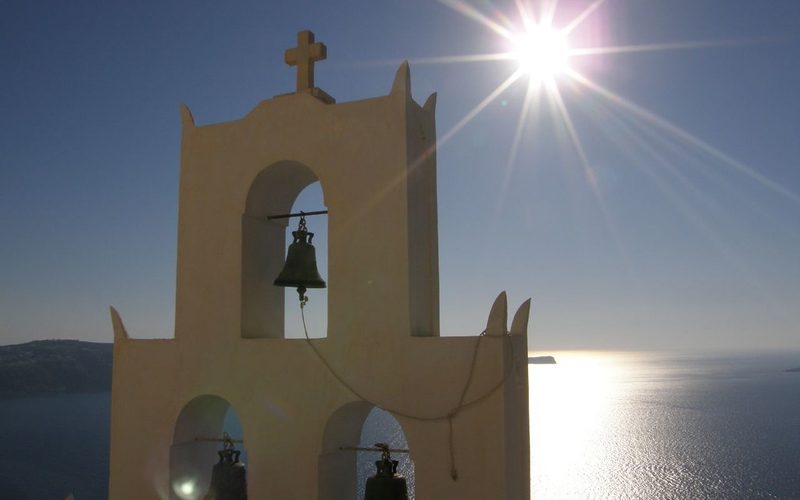
The village is genuinely beautiful, its blue-domed churches and sugar-cube houses cascading down a cliff that faces directly northwest toward the interisland channel. At dusk in high season the ramparts, rooftops, and viewpoint terraces fill with several hundred visitors simultaneously. Arrive by 5 PM at the latest during peak months and walk past the main viewpoint to the northern end of the village for a less crowded sightline. Alternatively, book a restaurant table with a caldera-facing terrace: the sunset viewed while eating on a terrace with a glass of Assyrtiko in hand delivers a completely different experience. Imerovigli offers equally spectacular sunsets with a quarter of the audience. Sexygossip recommends exploring these alternatives rather than joining the main castle-wall crush.
Day Trip: Thirasia Island
Thirasia, the smaller island facing Santorini across the caldera’s northern mouth, is reachable by ferry or caïque and offers a glimpse of what Santorini might have been before mass tourism arrived. The island has a permanent population of around 200, a clifftop village called Manolas reached by roughly 200 steps from the small port of Korfos, and a handful of tavernas serving local food at prices that would have been standard in Santorini several decades ago. There are no ATMs, no souvenir shops, and cats everywhere. The caldera views from Manolas look back across the water to Santorini’s cliff villages — you see the entire arc of the inhabited cliff at once, and the scale of the geological feature suddenly becomes comprehensible.
Sustainable Travel Considerations
Santorini’s popularity places intense pressure on a small island with limited water resources, fragile cliff-edge architecture, and around 15,000 permanent residents coexisting with more than two million annual visitors. Booking accommodation in villages other than Oia — Emporio, Pyrgos, Megalochori, or Kamari — distributes economic activity more evenly. Eating at family tavernas rather than brand-name tourist restaurants keeps more money within the local food economy. Carrying a refillable water bottle and supporting local wine estates over imported brands are small choices that collectively make a measurable difference to the island’s long-term viability.
Practical Planning Checklist
- Book accommodation at least three months ahead for any June–September stay — caldera-view hotels sell out earliest
- Reserve Akrotiri tickets online; timed-entry is mandatory at peak periods and prevents long queuing
- Pre-book caldera sailing or private tours before arrival — reputable operators fill their summer season months in advance
- Pack trail shoes for the Fira-to-Oia walk and archaeological sites; sandals are hazardous on irregular basalt paths
- Carry cash — many smaller tavernas, bakeries, and local markets do not accept cards outside the main villages
- Bring a refillable water bottle; tap water is not potable but filtered refill stations exist at several public points
- Arrive at Oia at least 90 minutes before sunset in July and August to secure a decent viewpoint position
- Confirm ferry or flight times 48 hours before departure — summer schedules shift with wind conditions
- Budget for at least one private or specialist tour; even a single premium experience substantially enriches a short stay
- Download an offline map — mobile coverage is inconsistent on the caldera path and on the volcanic islets
FAQ — Santorini Travel Questions
How many days do you need in Santorini?
Four full days cover the essential sites — Akrotiri, the Fira-to-Oia walk, a caldera boat tour, Ancient Thera, and the key beaches — without feeling rushed. A week allows wine routes, a day trip to Thirasia, and genuinely unhurried evenings. Two days is enough only if you focus on one or two priorities and accept missing the rest.
Is Santorini expensive compared to other Greek islands?
Yes, particularly for accommodation and restaurants in Fira and Oia. Caldera-view cave hotels command some of the highest per-night rates in Europe during summer. However, beach resorts at Kamari and Perissa have budget-friendly studios and family tavernas at reasonable prices, KTEL buses cost almost nothing, and travelling in May or October reduces almost every cost significantly.
Can you visit Santorini without a car?
Entirely. The KTEL bus network connects Fira to every major village and beach. Walking between the caldera villages from Fira to Oia is not only feasible but actively pleasurable. A car or ATV is useful for accessing smaller inland villages, but it is not essential for a standard itinerary.
What is the best caldera tour to choose?
Prioritise operators running smaller sailing vessels rather than motor yachts, and who schedule their hot-springs stop away from the peak midday crowds. Check that lunch is included and ask whether Thirasia is on the route. Sexygossip’s detailed coverage of Santorini private tours provides evaluated recommendations for travellers who want independent advice before booking.
Is Santorini worth visiting outside summer?
Strongly yes. May brings wildflowers across the terraces and warm enough sea temperatures for swimming. September and October retain full sunshine with dramatically fewer visitors and lower prices. For travellers who find crowded viewpoints stressful and prefer unhurried meals, the shoulder seasons are the correct choice — not a compromise. Sexygossip’s guide to off-season tours in Greece develops this case with destination-by-destination advice across the Greek island network.